

A complete step-by-step PDLC removal guide covering everything from power disconnection to final glass cleaning, with tips for self-adhesive film, double-glazed windows, and professional removal options.
If you need to remove smart film from a window, start by disconnecting the power supply and removing any electrical connections. Warm the film with a hair dryer or heat gun on a low setting to soften the adhesive, then slowly peel the film away from the glass. Remove any leftover adhesive with an appropriate adhesive remover and clean the glass thoroughly.
Most self-adhesive PDLC smart films cannot be reused after removal because the adhesive layer is usually damaged during the process. Taking your time is important. Pulling too quickly can tear the film, leave heavy residue behind, or damage electrical components.
For large installations, double-glazed units, or expensive commercial glass, professional removal is often the safest option. This is why we've put togwether this step-by-step guide.
Smart film, also known as PDLC (Polymer Dispersed Liquid Crystal) film, is a switchable window film that changes from transparent to opaque when electricity is applied. It's commonly used in homes, offices, conference rooms, healthcare facilities, and retail spaces where privacy is needed on demand.
While smart film is designed to last for years, there are situations where removal becomes necessary.
You may want to remove smart film if you notice:
In most cases, yes.
Modern smart film is typically installed using pressure-sensitive adhesives designed to bond securely to glass while still allowing eventual removal.
The key is patience. The majority of glass damage occurs when installers try to force the film off without softening the adhesive first. Proper heating and slow peeling significantly reduce the risk.
If removal is done incorrectly, you may encounter:
Fortunately, most of these problems can be avoided with the right process.
Before you begin, gather the following items:
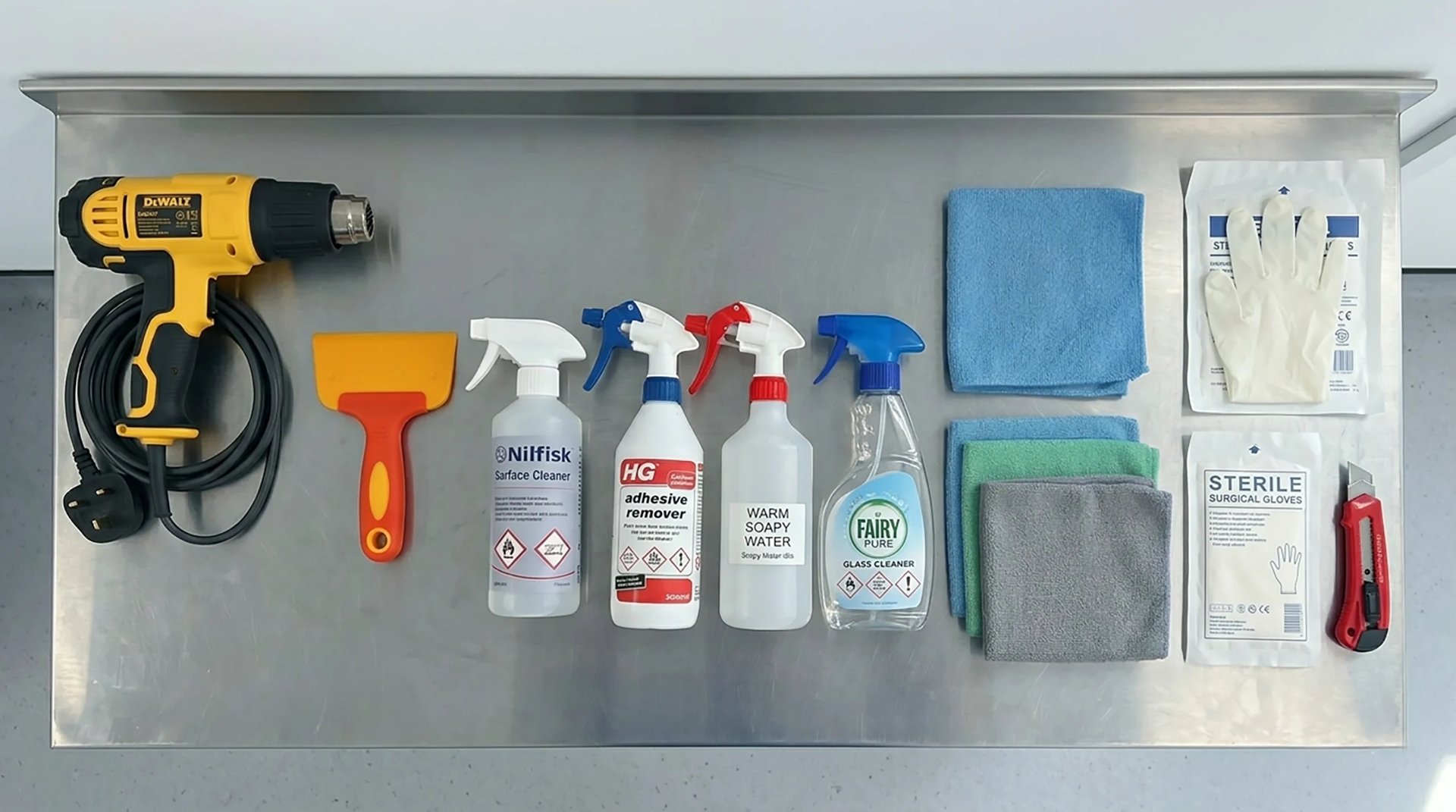
Important: Avoid using metal scrapers whenever possible, as they can scratch glass surfaces.
Smart film operates through an electrical connection. Before touching the film, turn off the power source and disconnect the transformer or controller. This protects both you and the electrical components. If you're unsure where the power connection is located, consult the installation documentation.
Most smart film installations include conductive busbars along one edge. Carefully disconnect power wires, copper busbars, electrical connectors, and control modules attached directly to the film. Work slowly to avoid damaging the glass or surrounding trim.
The adhesive becomes much easier to remove when warmed. Use a hair dryer or heat gun on a low setting and heat a corner of the film for approximately 30 to 60 seconds. The goal is to soften the adhesive, not overheat the glass. Keep the heat source moving continuously rather than focusing on a single spot.
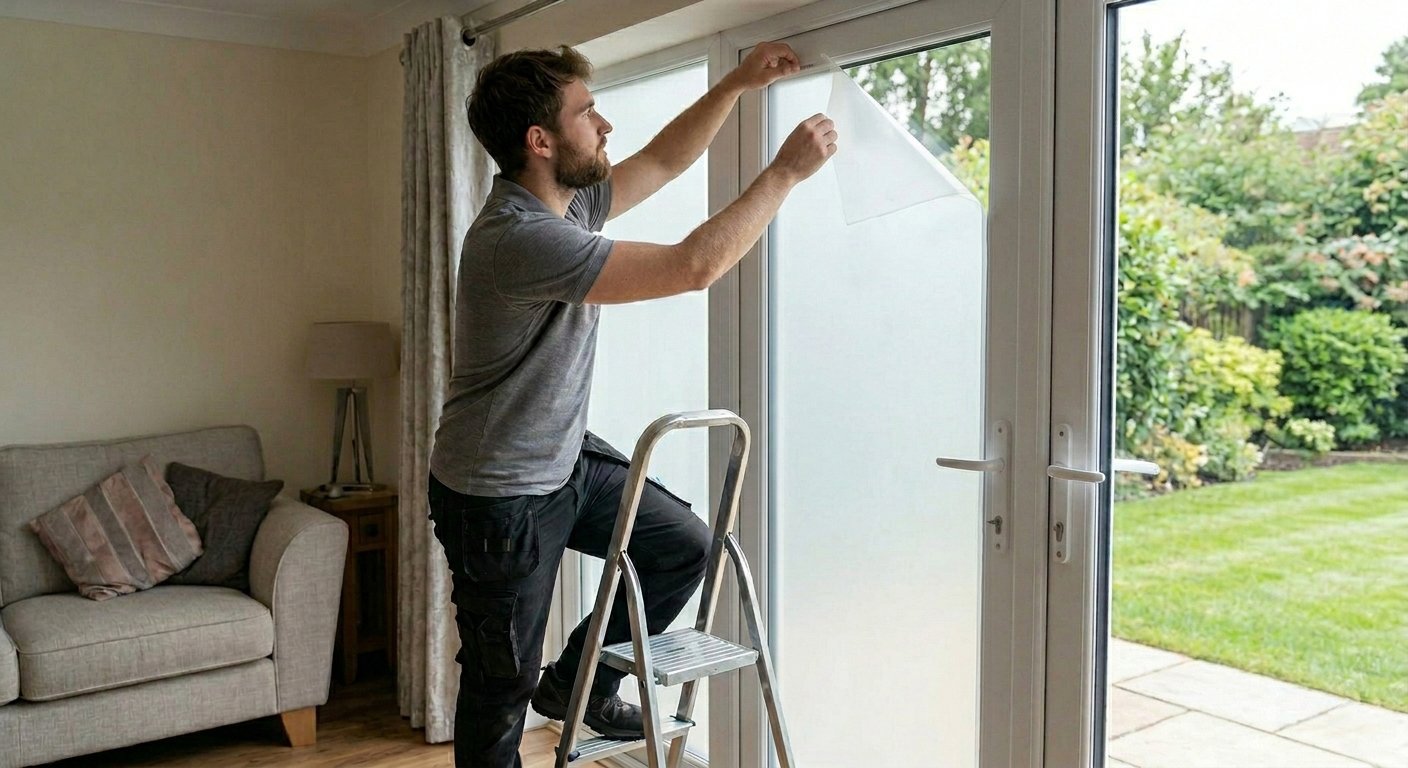
Once the adhesive softens, gently lift one corner using a plastic scraper. Pull the film slowly at a low angle. A slow, steady motion works far better than pulling sharply. If resistance increases, stop and apply more heat before continuing. For large windows, it may help to have a second person support the film while peeling.
Even a successful removal often leaves adhesive behind. Apply an adhesive remover according to the manufacturer's instructions. Allow it to sit for several minutes before wiping away residue with a microfibre cloth. For stubborn spots: reapply adhesive remover, let it soak, use a plastic scraper if necessary, and wipe clean. Avoid aggressive scraping that could scratch the glass.
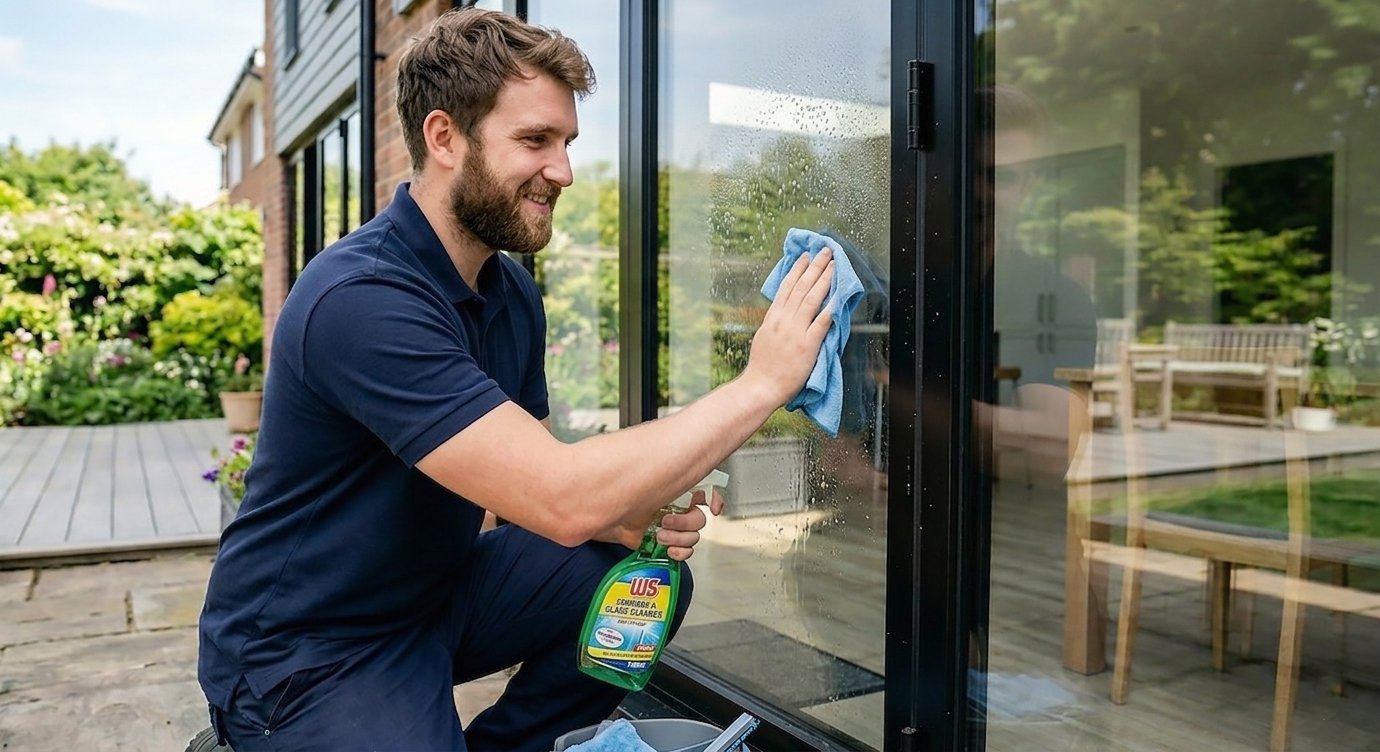
After all residue is removed: wash with warm soapy water, wipe with isopropyl alcohol, and finish with a quality glass cleaner. The glass should now be clean and ready for a new film installation or normal use.
Self-adhesive PDLC film is the most common retrofit smart film used in homes and offices. The removal process is largely the same, but there are a few additional considerations.
As adhesive ages, it tends to harden. A film installed five or more years ago may tear more easily, leave more residue, and require additional heating. Patience becomes even more important in these situations.
Large installations often use wider sheets and stronger bonding methods. Removing these panels may require multiple technicians, specialised adhesive removers, and professional equipment. For large conference rooms or storefronts, professional removal is often worth considering.
Double-glazed windows require extra care. The insulated glass unit contains sealed air or gas between panes, and excessive heat can potentially affect the seals.
If the smart film was installed near edge seals, proceed cautiously to avoid damaging them.
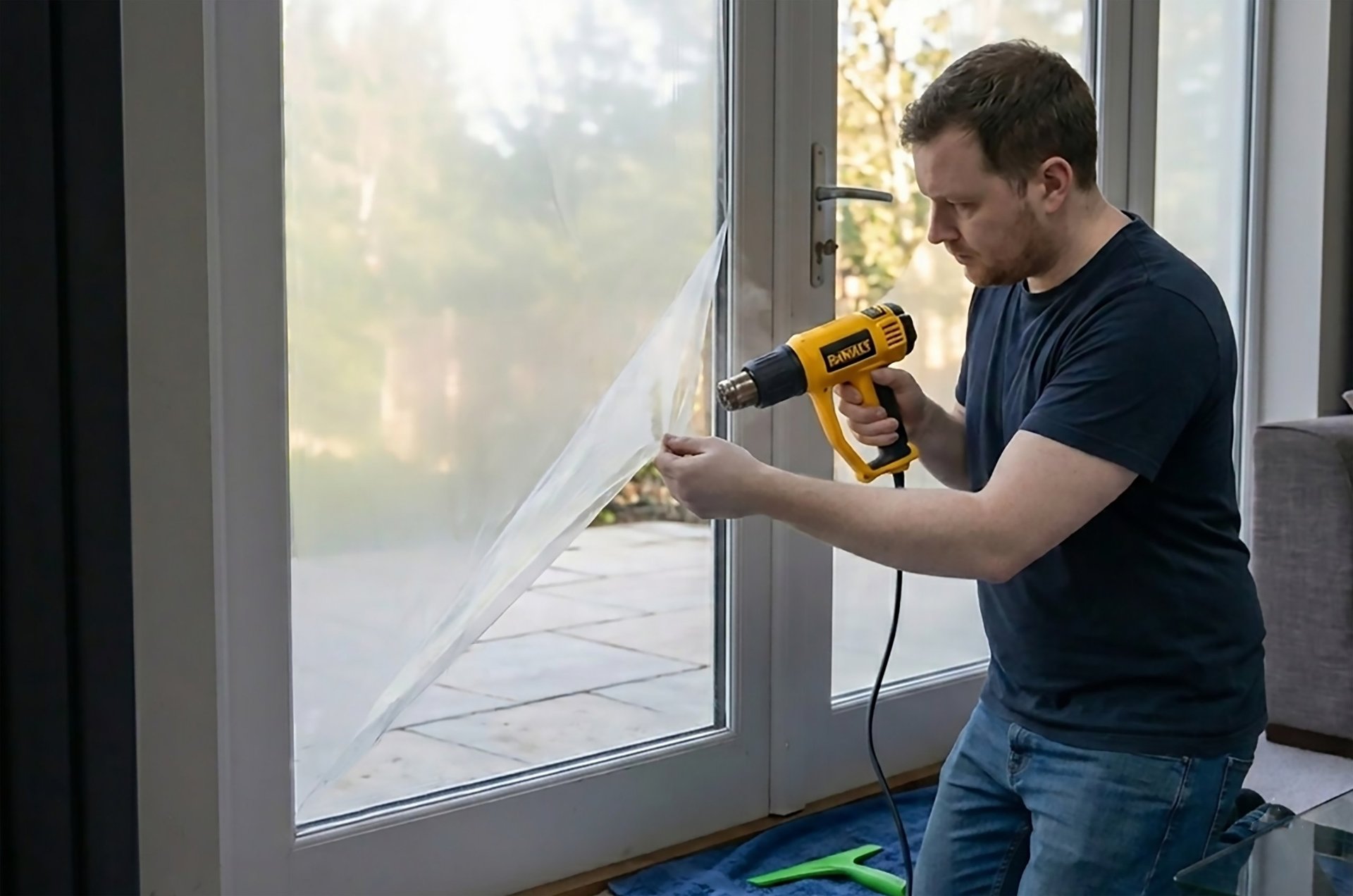
This usually happens when the adhesive is too cold, the film is old and brittle, or you're pulling too quickly. Apply more heat and continue slowly.
Persistent residue often requires multiple applications of adhesive remover. Allow the product enough time to work before attempting removal. Rushing this stage usually creates more work.
Busbars and conductive strips may remain attached after the main film is removed. Use gentle heat and careful peeling to separate them without damaging the glass.
Cloudiness is often leftover adhesive rather than actual glass damage. A combination of adhesive remover and isopropyl alcohol typically resolves the issue.
In most cases, no.
Smart film is generally designed as a permanent installation. During removal, the adhesive layer is compromised, electrical connections may be damaged, and dust contamination becomes difficult to avoid. Even if the film appears intact, performance may be reduced after reinstallation.
Some specialty films are designed for temporary use and may be reinstalled under controlled conditions. However, standard self-adhesive PDLC smart film is usually considered non-reusable.
Most quality smart films have a lifespan of approximately 10 to 20 years, depending on product quality, installation quality, usage patterns, environmental conditions, and electrical system maintenance. High-quality installations often remain functional for well over a decade.
Replacement may be the better choice when:
Sometimes removal is only the first step.
Modern smart films often provide improved transparency, faster switching speeds, better durability, and enhanced energy efficiency. If you're already removing an aging film, upgrading at the same time can save labour costs later.
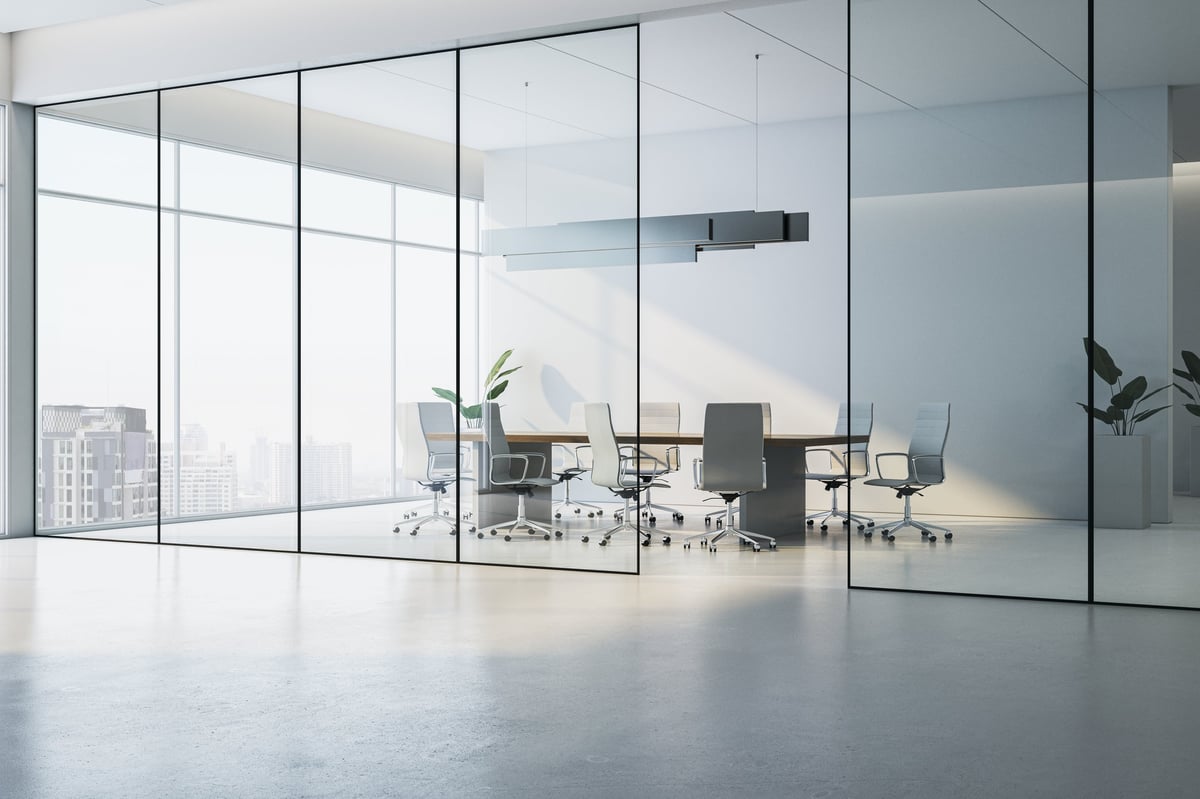
DIY removal works well for many residential installations, but professional help may be worthwhile when:
Professionals typically complete the process faster while minimising the risk of damage.
Common questions about removing PDLC smart film from glass surfaces.
Whether you need professional removal of existing smart film or want to upgrade to a newer system, our team can help. Get in touch for a free, no-obligation consultation.



Premium smart film and smart glass solutions for Yacht Owners, Architects, Businesses & Home Owners. Transforming your vision into the reality you've dream about.
© 2026 SmartGlassInnovations. All rights reserved.