

At first, it looks like an ordinary piece of glass. Then, with the flick of a switch, the glass changes. Depending on the type of smart film, it can move from transparent to a private, frosted appearance almost instantly.
There is no curtain being pulled across the window. No blind moving down. Nothing needs to be physically covered.
The glass itself changes.
That is usually the part that gets people's attention. But seeing smart film change for the first time is only one part of the experience. If you are considering smart film for your home, office, meeting room, bathroom, shop or another building, you will probably want to know what happens before, during and after installation.
So, what is your first experience with smart window technology likely to be like?
Watch switchable smart film transform from transparent to frosted in an instant — no curtains, no blinds, no covering required.
Smart film is a thin electrical film that can be applied to suitable glass surfaces. One of the most common types is PDLC smart film, which stands for Polymer Dispersed Liquid Crystal. The film contains microscopic particles that respond when an electrical current is applied.
When the film is switched on, the particles align so that light can pass through more clearly. When the power is switched off, the particles become randomly arranged, scattering the light and creating a translucent appearance. The result is a piece of glass that can change between two states.
The exact appearance depends on the product, glass and installation. Smart film should therefore be specified based on the particular application rather than assuming every product will look identical.
An electrical current aligns millions of microscopic liquid crystal molecules in perfect order. Light passes straight through, and the film becomes transparent.
The liquid crystals return to their natural, random state. Light scatters, and the film turns translucent — creating a frosted, private appearance.
This is the moment most first-time users remember — a piece of ordinary-looking glass quietly switching state with the press of a switch.
The most noticeable part is the change itself. Imagine standing in a room with a glass partition. You can see straight through it. Someone presses a wall switch. Within a moment, the glass changes to a frosted appearance. It is a simple action, but it can change how the entire room feels.
That is where smart film becomes more than simply another type of window covering.
This is an important question to understand before buying. With many PDLC smart film products, the film becomes translucent when the power is off. It does not necessarily become completely opaque like a solid wall. You may still see light and shadows through it, depending on the product and the lighting conditions. This distinction matters.
If your main reason for installing smart film is privacy, ask the supplier to explain the actual privacy level you can expect. It is also worth seeing a sample in person because photographs can make smart film look different from how it appears in a real room. The surrounding lighting, glass and interior can all affect the result.
When power is applied, the film changes to its transparent state. This allows light to pass through and restores the view through the glass. The switching speed varies depending on the product and installation, but the change is generally quick enough to make the feature practical for everyday use.
For many people, this is the moment smart film starts to make sense. Instead of deciding whether a window should always be clear or always be private, you have a choice.
One of the biggest differences between smart film and some forms of smart glass is the possibility of retrofitting. Smart film can be manufactured with an adhesive backing that allows it to be applied to suitable existing glass. This can be useful if you already have glass partitions, doors or windows and do not want to remove and replace the glazing.
For example, an office might already have several glass meeting rooms. Rather than replacing all of the glass, suitable smart film may provide a way to add switchable privacy. The same principle can apply in homes, hotels, clinics, retail spaces and other buildings.
However, not every glass surface will be suitable. The condition and type of glass, measurements, access, electrical connections and installation environment all need to be considered. A professional assessment is recommended before ordering.
Smart film feels different depending on the problem you are trying to solve.
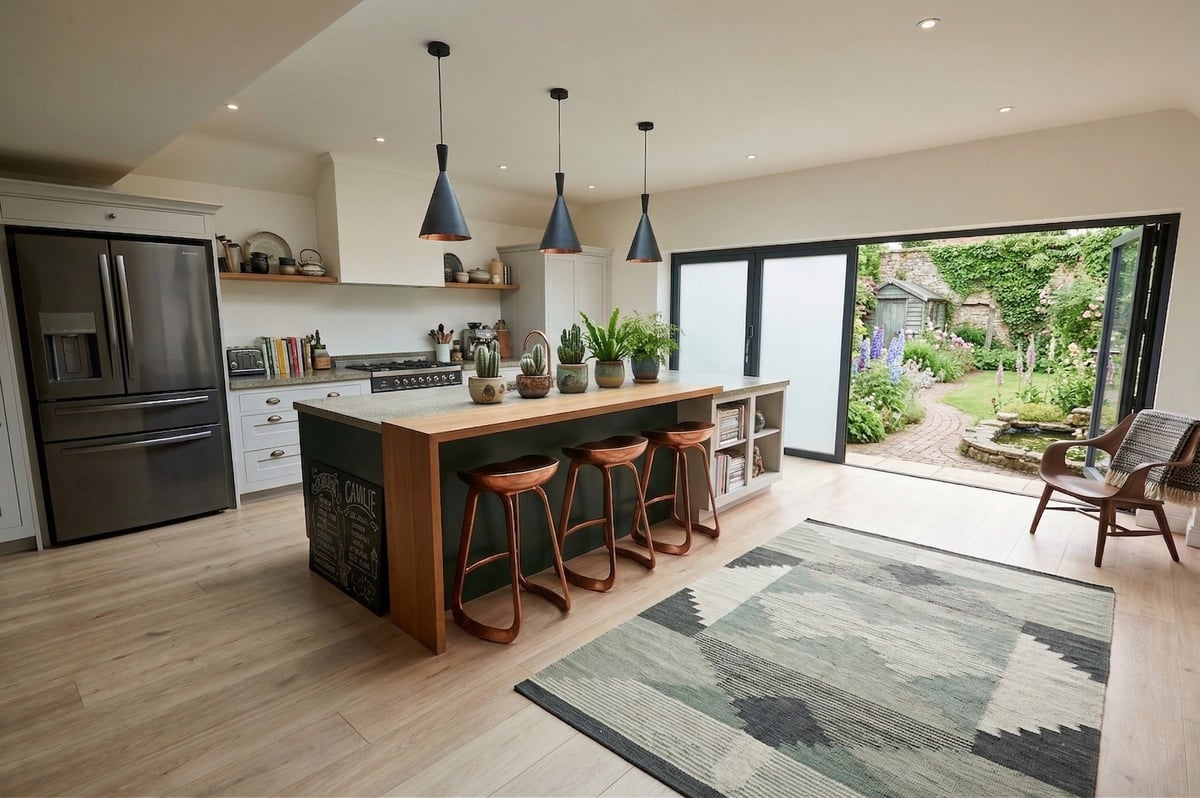
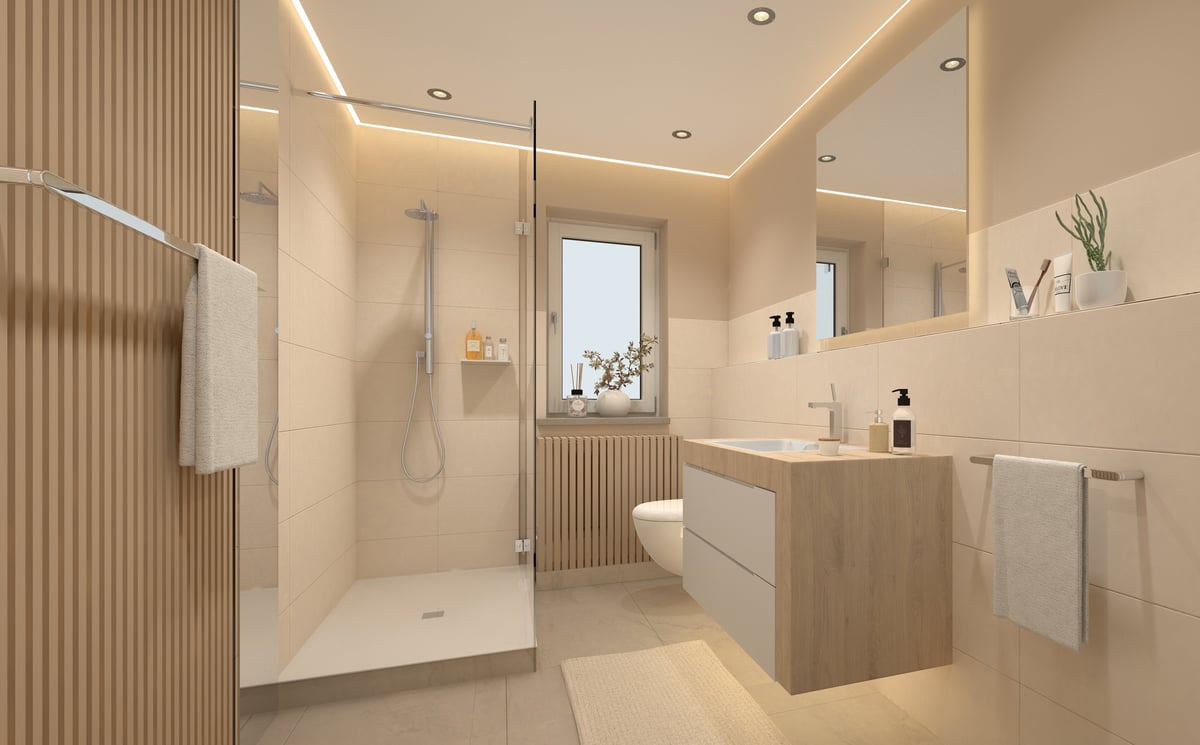 At Home
In a home, privacy is often the main reason for choosing smart film. It can be used on bathroom windows, internal partitions, bedroom glazing, home offices and other areas where privacy is needed at certain times.
Imagine an internal glass partition between a bedroom and bathroom. During the day, you may want the space to feel open. At night, you want privacy. Smart film gives you a way to change the appearance without installing a conventional blind or curtain.
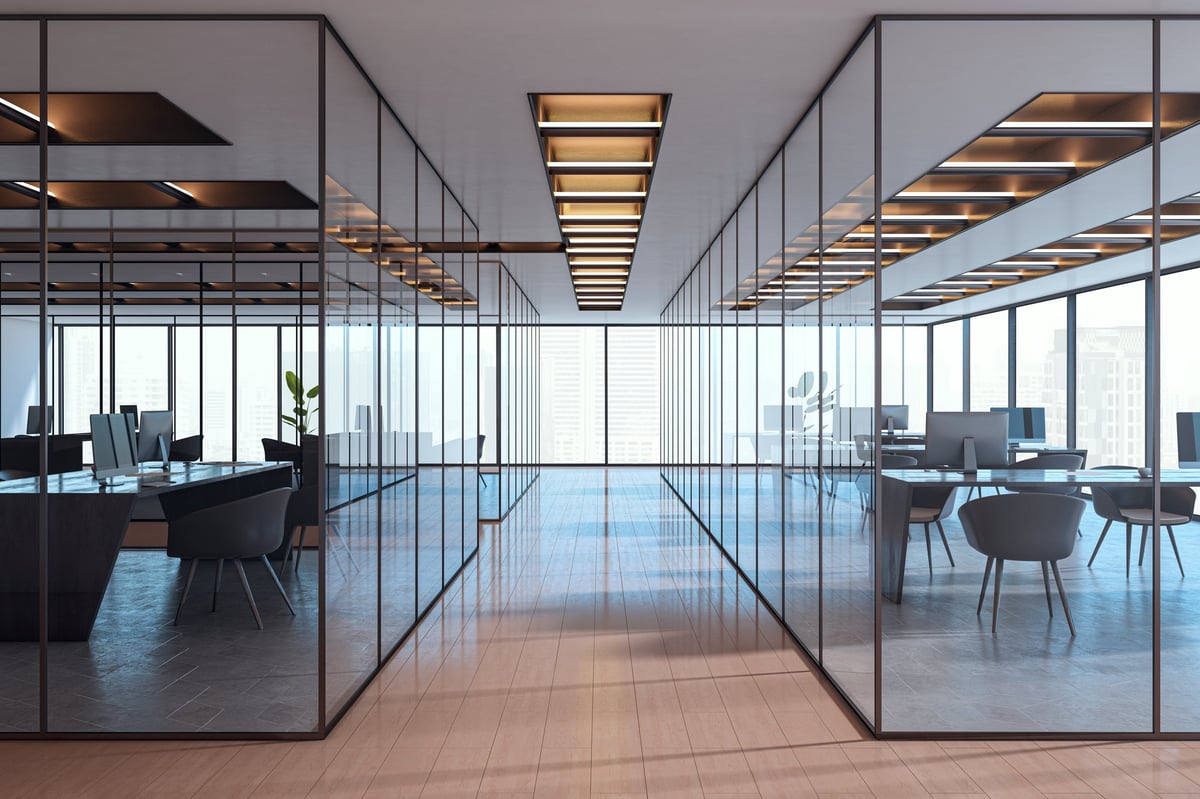 In an Office
The experience can be slightly different in a workplace. Here, smart film can be useful for meeting rooms and glass partitions. An open meeting room can make an office feel spacious and allow natural light to move through the building.
When a private meeting starts, the glass can be switched to its privacy state. This can also help create a clear visual signal that a meeting is taking place.
 In Retail
Retailers may use smart film in shopfronts, display areas or internal partitions. The film can provide privacy when required while allowing the glass to remain transparent at other times.
It can also be used as part of a shop's visual design. However, the main reason for choosing it should always be practical. The film needs to perform the job the retailer actually needs it to do.
Smart film does not necessarily mean losing natural light. When switched to its transparent state, the film allows light through the glass. When switched to its privacy state, light can still pass through as diffused light, depending on the product. This can be useful in rooms where you want privacy without making the space completely dark.
The amount of light that passes through will vary between products, so check the manufacturer's visible light transmission figures if daylight is important to your project.
Sometimes, but not always. Smart film is particularly useful when the main requirement is switchable privacy. Traditional curtains and blinds can do more than provide privacy. They can also provide shading, decoration and, depending on the product, help control glare and sunlight.
Smart film should therefore be considered as another option rather than an automatic replacement for every window covering. For an internal glass partition where privacy is the main concern, smart film can be a very practical alternative. For a large bedroom window that receives strong afternoon sunlight, you may need to consider the solar-control performance of the glazing and the specific type of film being used. See our guide on whether switchable glass can replace curtains and blinds.
For retrofit smart film, installation normally involves carefully preparing the glass, applying the film and connecting it to the appropriate electrical system. The glass needs to be clean and suitable for the installation. The film also needs to be measured and positioned accurately.
Electrical connections should be planned before installation rather than treated as an afterthought. Depending on the size and number of glass panels, installation can be relatively straightforward or require more detailed preparation.
This is one reason professional installation is recommended, particularly for larger projects. Poor application can affect the appearance of the film, while incorrect electrical installation can cause operational problems. Read more about the DIY vs professional installation decision.
Usually, no. The basic operation can be as simple as pressing a switch. Depending on the installation, smart film can also be connected to different control systems. For a small residential application, a standard wall switch may be all that is required.
For a larger commercial installation, several panels can potentially be controlled separately, allowing different areas to switch independently. The important thing is to decide how you want to use the film before the electrical system is installed.
For many first-time users, it is the simplicity. People sometimes expect smart film to involve complicated technology or difficult controls. In everyday use, it can be quite the opposite. You press a switch and the glass changes.
The technology is inside the film, but using it does not need to feel technical. That is one of the reasons smart film can work well in spaces that are used by many different people. A visitor does not necessarily need to understand how PDLC works to use a switch.
Smart film is not magic glass — it is important to have realistic expectations.
It does not automatically provide complete blackout in its privacy state.
It does not necessarily block all sunlight, heat, glare or UV on its own.
It will not perform identically on every type of glass or in every lighting condition.
If you need a particular level of privacy, light control, heat reduction, UV protection or colour, ask for the relevant technical specifications before ordering. A reputable supplier should be able to explain what the product can and cannot do.
If you have a glass surface where privacy is sometimes needed and transparency is useful at other times, smart film can be worth considering. It is particularly interesting for people who already have glass installed and want to add switchable privacy without replacing the entire pane. It can also be useful for new interior projects where glass is being used to divide spaces without making them feel closed.
The best way to judge it is to see a sample. Look at the film in clear mode. Switch it. Look at it again from different angles. Try it in different lighting conditions. That will give you a much better understanding of what the finished installation will look like than a photograph on a website.
The first time smart film changes from clear to private, it may feel like a clever piece of technology. But the real value comes afterwards. It is about being able to use your space differently.
That is what makes smart film interesting. It is not about making a window "smart" simply for the sake of technology. It is about giving you another way to control how your glass works.
Your first experience with smart window technology will probably be the moment you see the glass change. But the more important experience is using it every day.
Smart film can give suitable glass a practical new function by allowing you to change between transparency and privacy when required. Whether you are considering it for a home, office, healthcare environment, hotel, retail space or another building, start with the problem you want to solve.
Once you know the answer, you can determine whether smart film is suitable for your project. And if you have never seen it in person, the best place to start is simple: ask for a sample and switch it yourself.
See the clear-to-private switch in person. We'll help you choose the right product for your space and arrange a sample so you know exactly what to expect before you buy.

Premium smart film and smart glass solutions for Yacht Owners, Architects, Businesses & Home Owners. Transforming your vision into the reality you've dream about.
© 2026 SmartGlassInnovations. All rights reserved.