

A practical guide to using smart film or smart glass on skylights that covers suitability, installation, costs, benefits, and how it compares to traditional skylight blinds.
Yes, you can use smart film on skylights, but only when the glass surface is suitable (typically flat or smooth internal glass). Smart film works by applying a PDLC layer that switches from transparent to opaque with electricity, giving instant privacy and glare control. It's a popular alternative to skylight blinds, offering a cleaner look and better light control. However, it is not suitable for all skylights (curved, textured, or certain polycarbonate roofs), and professional installation is usually required due to wiring and overhead application challenges.
Smart glass and smart film are increasingly being used in roof glazing. Understanding the difference between the two technologies is important when considering a skylight installation.
Smart film (also called switchable film or PDLC film) is a thin layer applied to glass that can instantly change its transparency when an electrical current is applied. The most common type uses PDLC (Polymer Dispersed Liquid Crystal) technology, which switches between a transparent state that is clear like normal glass and an opaque or frosted state that scatters light to provide privacy.
In simple terms:
Inside the film are microscopic liquid crystal droplets suspended in a polymer. When electricity flows through, the crystals align and light passes through, making the glass clear. When power is removed, the crystals scatter and light is blocked, turning the glass opaque.
This switching happens in milliseconds, making it ideal for skylights where light control changes throughout the day.
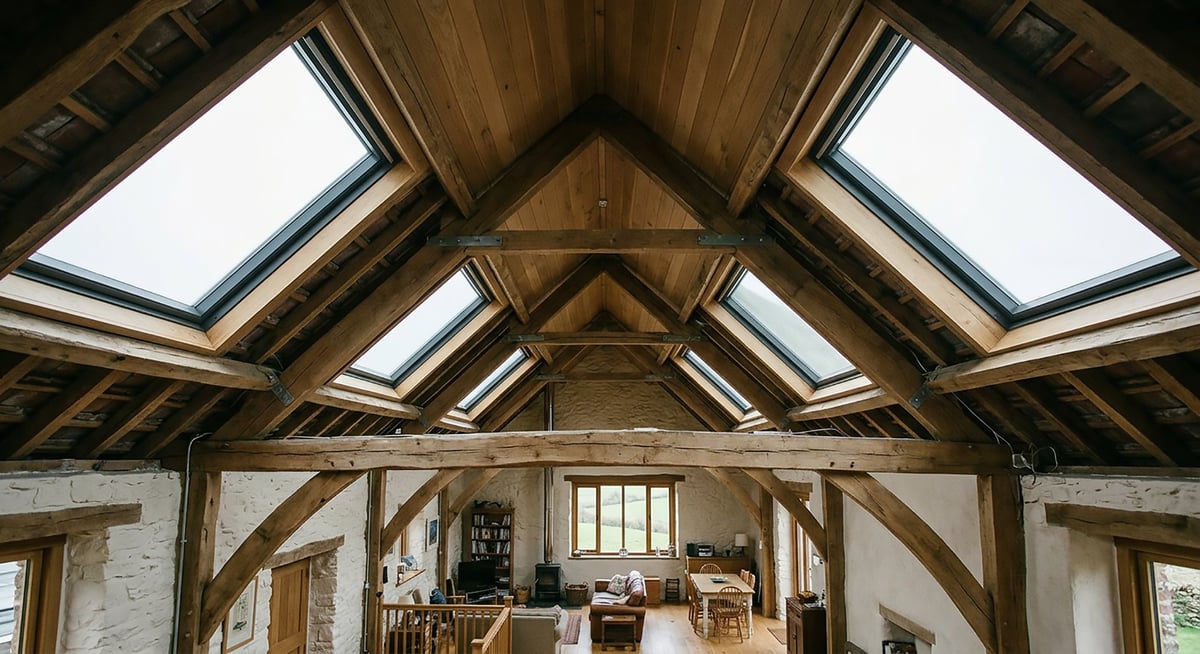
Short Answer: Yes, but with conditions. Smart film can absolutely be used on skylights, but suitability depends on the type of glazing.
Smart film is almost always applied to the inside surface of the glass, which protects it from weather exposure, UV degradation, and physical damage. Because skylights are overhead, installation requires careful handling and professional fitting in most cases. This is not typically a DIY project due to the combination of electrical wiring requirements and the challenges of working overhead on glass surfaces.
People often confuse smart film with smart glass, but they are not the same product. Here's how they compare for skylight applications.
Which is better for skylights?
For a detailed breakdown of the differences, read our full smart glass vs smart film comparison guide.
Smart film is especially effective in roof glazing because skylights have a direct impact on heat, glare, and privacy.
With one switch, skylights can go from fully transparent to completely opaque — ideal for bathrooms, bedrooms, loft conversions, and office meeting spaces.
Skylights often create overheating in summer. Smart film helps reduce direct sunlight glare, UV exposure, and excess indoor heat buildup.
While not a replacement for insulation, smart film helps reduce solar heat gain in summer and assists in retaining warmth in winter depending on the glass unit.
Traditional skylight blinds collect dust, break over time, and block full light permanently when closed. Smart film replaces them with something you don't even see when it's clear.
Smart film creates a clean, minimal finish that works well for contemporary homes, renovations, and commercial interiors.
The transition from clear to opaque happens almost instantly, giving you immediate control as light conditions change — far faster than manual or motorised blinds.
Unlike blinds that are either fully open or fully closed, smart film gives you the option of a frosted diffusion state that still lets light through while blocking direct glare and visibility. This means your skylight continues to bring natural light into the room — while solving the problems of overheating, UV damage, and privacy.
Read more about whether privacy glass is worth it.
Installing smart film on skylights is a technical process, usually done by professionals.
The skylight glass is cleaned thoroughly to ensure perfect adhesion. Any dust, grease, or residue will affect the film's performance and longevity.
The smart film is carefully laminated onto the internal surface of the glass. This requires precise alignment to avoid bubbles or distortion.
Thin conductive wires are installed along the edge of the film and connected to a transformer, wall switch, or remote control system.
The system is tested to ensure smooth switching between clear and opaque modes, with all electrical connections verified for safety.
Pricing varies depending on complexity, size, and access.
£300–£800 per m²
installed (approximate UK range)
Smart film has a higher upfront cost but delivers better long-term value. Learn more about whether privacy glass is worth it.
Smart film is highly effective, but it's not perfect. Here are the key limitations to be aware of.
When electricity is off, the film defaults to opaque mode.
Curved or textured glazing cannot reliably support film installation.
Skylights exposed to extreme temperatures may require higher-grade films.
DIY installation is risky, especially for overhead glass.
5. Cleaning care needed — You must avoid abrasive cleaning products or sharp tools on the film surface.
For an honest breakdown of the downsides of smart glass technology, read about the disadvantages of smart glass.
This is one of the most common comparison points. Here's how they stack up.
| Feature | Smart Film | Skylight Blinds |
|---|---|---|
| Light Control | Instant electronic switch | Manual or motorised |
| Appearance | Nearly invisible | Visible hardware |
| Maintenance | Very low | Medium to high |
| Lifespan | Long (if installed correctly) | Medium |
| Cost | Higher upfront | Lower upfront |
Key takeaway: Smart film is a practical replacement for blinds, especially where design and convenience matter. If you're wondering whether switchable glass can fully replace physical coverings, read whether switchable glass can replace curtains or blinds.
Smart film works best in environments where light control and aesthetics are important.
Explore our residential smart glass solutions for more ideas on how smart film can work in your living spaces.
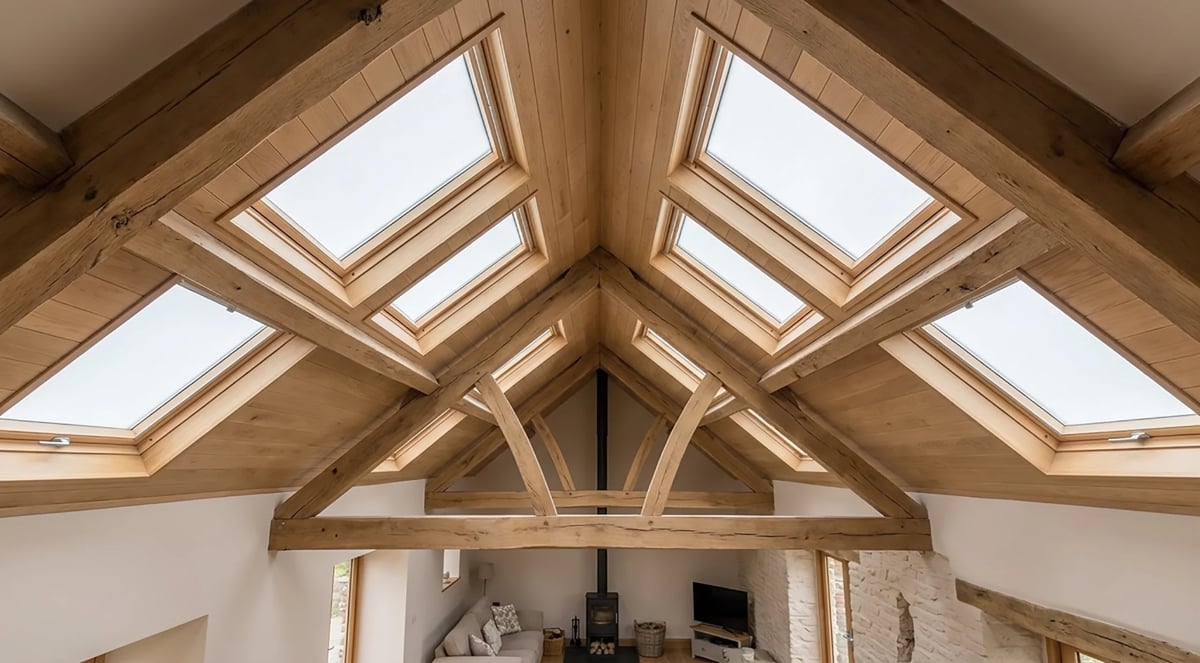
Yes, if your skylight is flat, accessible, and you want a smart, practical solution.
Smart film is one of the most effective upgrades for skylights when you want instant privacy, a clean minimalist look, better control of natural light, and a replacement for traditional blinds.
However, it is not universal. The success of installation depends heavily on glass type, accessibility, and professional fitting quality. For most flat-glass skylight installations, smart film is a strong choice that combines practicality with a clean, considered look.
Selecting a knowledgeable supplier and ensuring professional installation makes all the difference. Smart film is a genuinely useful innovation for skylight applications, but setting accurate expectations about what it can and cannot do ensures you achieve a result that matches your requirements. For more insight into how smart glass and smart film compare in real-world conditions, read our detailed smart glass vs smart film guide.
If you're considering other privacy solutions, such as for bathrooms and showers, see our guide on smart glass for bathrooms and showers.
Not sure if your skylight is suitable for smart film or smart glass? We can assess your space and recommend the right privacy and light control solution for your specific roof glazing.



Premium smart film and smart glass solutions for Yacht Owners, Architects, Businesses & Home Owners. Transforming your vision into the reality you've dream about.
© 2026 SmartGlassInnovations. All rights reserved.