

The best smart film for sun control depends on what you want to fix. Discover how the right smart film balances solar protection, privacy, and natural light for homes and commercial spaces.
The "best" smart film is not simply the darkest or most expensive option. It is the one that solves the problem you actually have.
If your main problem is too much heat, glare, or fading from sunlight, the best smart film is one that gives you the right balance of solar protection, privacy, and natural light. For most homes and commercial spaces, a good quality PDLC smart film with strong UV protection and reliable switching performance is the best choice when you want both sun control and privacy.
That said, smart film is not always the same as solar window film. If your only goal is reducing heat as much as possible, a specialist solar control film may perform better. If you want glass that can switch from clear to private while still helping manage sunlight, smart film is usually the better option.
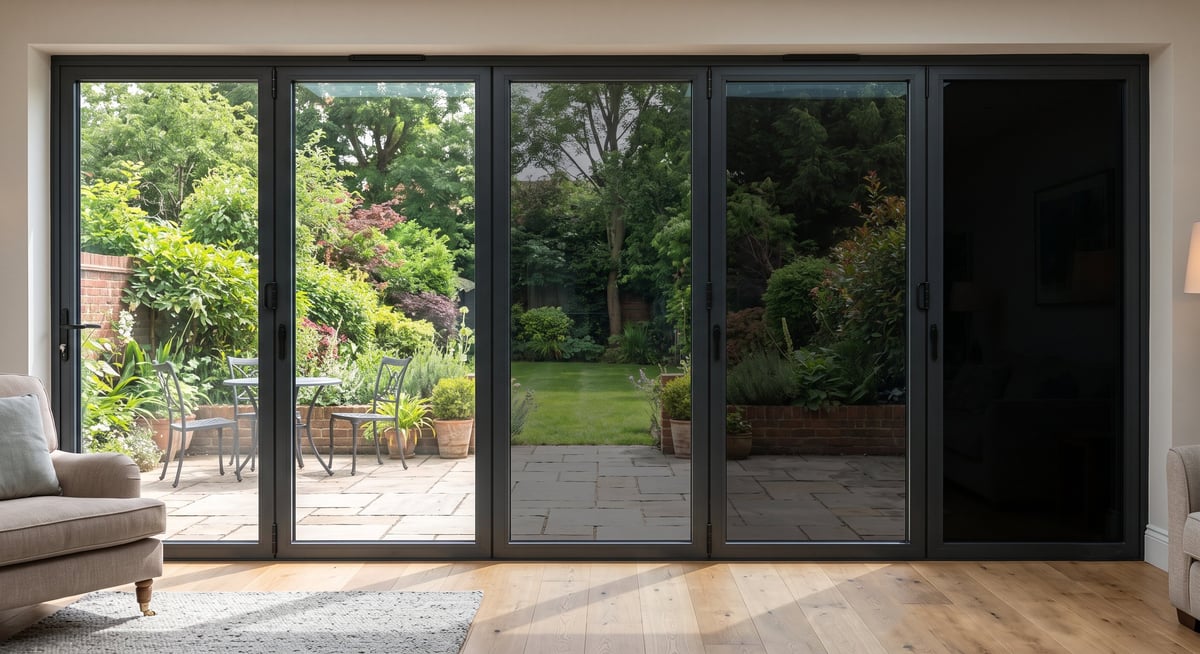
Smart film technology operates using low-voltage electrical current that aligns Polymer Dispersed Liquid Crystal "PDLC" inside the film. This allows glass to switch between blocking or allowing sunlight and heat, giving you instant control over solar gain and privacy.
Glass becomes transparent — letting natural light flood in
Glass becomes opaque — blocking sunlight and heat
This technology provides fast switching speeds, silent operation, and long-term durability. Our systems are compatible with wall switches, remote controls, smart home automation platforms, and building control systems.
Each installation is engineered to meet residential and commercial safety standards and performance requirements for sun control applications.
This is one of the most common questions people ask. The answer depends on what you are trying to achieve.
| Feature | Smart Film | Solar Window Film |
|---|---|---|
| Privacy Control | Excellent | Limited |
| Heat Reduction | Good | Excellent |
| Glare Reduction | Good | Excellent |
| UV Protection | Excellent | Excellent |
| Adjustable Appearance | Yes | No |
| Cost | Higher | Lower |
In some projects, the best approach is using both technologies together. Smart film solves the privacy and design problem, while solar control technology handles maximum heat reduction.
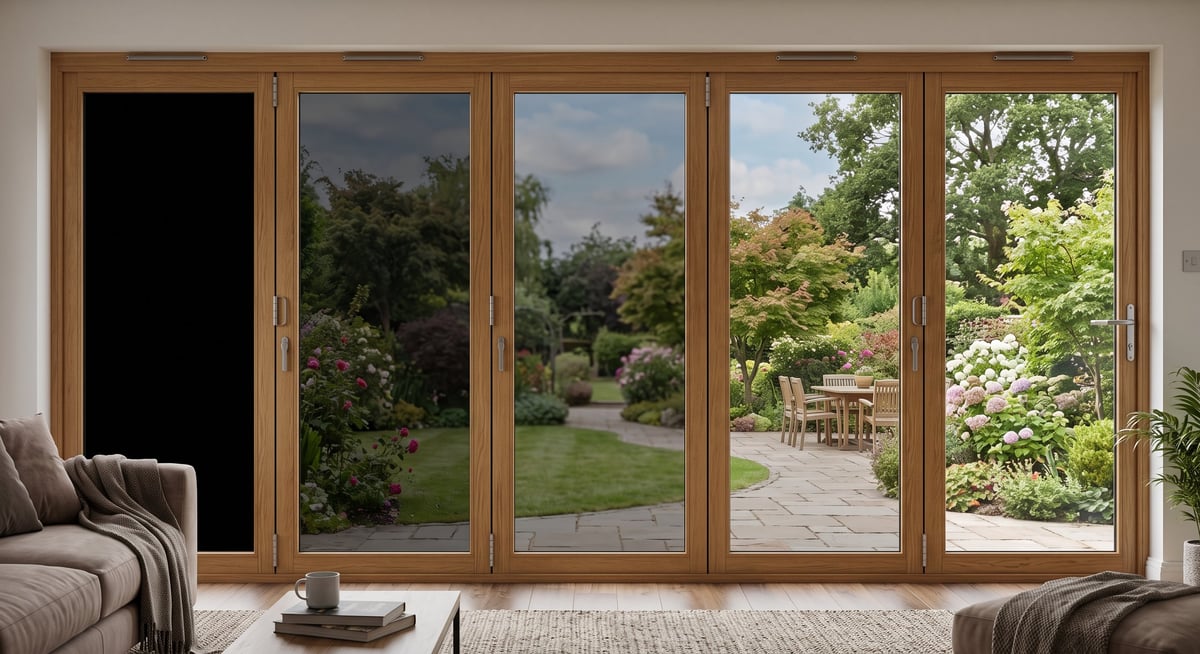
Not all smart films perform the same. These are the specifications worth paying attention to before making a decision.
The biggest reason people look for sun control is overheating. Large windows allow solar energy into a building, which can make rooms uncomfortable — especially during summer. The right smart film can help reduce infrared heat, solar gain, and afternoon overheating. This is particularly important for south-facing windows, glass extensions, conservatories, and offices with large glass panels. The key is choosing a film that matches the amount of sunlight your windows receive. A small bedroom window and a full glass office wall have very different requirements.
UV rays can quietly damage interiors over time. They contribute to faded furniture, damaged flooring, discoloured artwork, and ageing fabrics. A good smart film should provide strong UV protection to help protect the things inside your home or building. This is especially valuable in luxury homes, retail spaces, galleries, and offices with expensive interiors.
Sunlight is not always a problem because of heat. Sometimes the issue is simply glare. Common examples include struggling to see computer screens, bright reflections on televisions, and uncomfortable sunlight during certain hours. Smart film can help manage glare by controlling how much light enters a room. It is particularly useful for home offices, meeting rooms, and living rooms with large windows.
Visible light transmission, often called VLT, describes how much natural light passes through the glass. This is where choosing the right product matters. A darker film is not automatically better. Too much tint can make a room feel dark, closed in, and less inviting. The goal is finding the right balance between keeping natural daylight, reducing unwanted sunlight, and maintaining comfort.
Windows are one of the main ways buildings gain unwanted heat. By controlling solar exposure, smart film can help reduce the need for cooling. The biggest improvements are usually seen in large glazed areas, modern offices, homes with lots of glass, and sun-facing rooms. The actual energy savings depend on factors such as building design, climate, existing glass, and air conditioning usage. Read more about whether smart glass is energy efficient.
One of the biggest advantages of smart film is instant privacy. Instead of closing blinds or curtains, you can change the glass itself. A quality system should provide fast switching, even appearance, and reliable operation. Common applications include bathrooms (privacy without losing natural light), meeting rooms (instant privacy during confidential discussions), and offices (flexible glass partitions that can change depending on the situation).
Even the best smart film will not perform properly if it is installed incorrectly. Before installation, consider your glass type — smart film may need to be assessed depending on whether you have tempered glass, laminated glass, double glazing, or Low-E glass. Poor installation can lead to air bubbles, uneven appearance, reduced lifespan, and switching problems. This is one area where professional installation makes a real difference. See our guide on installing smart film on existing windows.
If your room becomes uncomfortable during sunny periods, focus on solar heat reduction, UV protection, and window orientation. Common problem areas include conservatories, glass extensions, and south-facing rooms.
Offices often have a lot of glass, which looks great but can create problems. Smart film can help reduce screen reflections, bright sunlight, and distractions during meetings. See our guide on smart film for office meeting rooms.
Popular residential applications include bathrooms, bedrooms, living rooms, and home offices. Many homeowners choose smart film because it replaces the need for permanent blinds or frosted glass. Read more about residential smart glass solutions.
Businesses often use smart film for both practical and design reasons. Common applications include hotels, offices, retail spaces, and healthcare buildings. It provides privacy while keeping spaces open and modern. Explore our commercial smart glass solutions.
The cheapest option is not always the best value. Important factors include film quality, warranty, installation standards, and long-term reliability.
Solar control is about performance, not just appearance. A darker film may not always provide better results.
Different glass types behave differently. Always check compatibility before installation. Read our guide on installing smart film on existing windows.
Think about how you want to operate the film: wall switch, remote control, smart home system, or building automation. The right control method makes all the difference in day-to-day use.
Smart film is usually more expensive than standard window film because it provides more functionality. You are not only paying for solar control. You are also paying for adjustable privacy, modern appearance, flexible light control, and a replacement for blinds or curtains.
For premium homes and commercial spaces, the value often comes from combining several benefits into one solution. For a detailed cost breakdown, see our guide on how much smart glass costs.
The challenge: Privacy without blocking daylight.
The solution: Smart film allows the glass to remain clear when privacy is not needed and switch instantly when required. See our guide on smart glass for bathrooms.
The challenge: Glass walls look open but lack privacy.
The solution: Smart film creates instant privacy for meetings while keeping the space bright. Read about smart film for meeting rooms.
The challenge: Too much sunlight creates overheating.
The solution: Smart film helps control light and privacy while keeping the architectural feel of the glass. Explore our residential solutions.
The best smart film for sun control is the one that matches your priorities.
If you mainly want to reduce heat, focus on solar performance. If you want privacy, flexibility, and a modern glass solution, smart film is the better choice.
Before choosing a product, consider your window size, sun exposure, glass type, privacy needs, and comfort goals. The right smart film should make your space more comfortable without sacrificing the natural light and design that made you choose glass in the first place.
Contact our smart film specialists to discuss the best sun control solution for your home or business. We can assess your space and recommend the right smart film for your needs.

Premium smart film and smart glass solutions for Yacht Owners, Architects, Businesses & Home Owners. Transforming your vision into the reality you've dream about.
© 2026 SmartGlassInnovations. All rights reserved.