

Discover how intelligent glass can improve privacy, light, glare and comfort at home, with practical uses for bathrooms, offices, windows and interiors.
Glass has become a big part of modern home and office design. Large windows, glazed doors, room dividers and glass extensions can make a home feel brighter and more open. But there is a downside. The more glass you have, the harder it can be to manage glare, sunlight and privacy.
This is where intelligent glass can be useful.
Also known as smart glass or switchable glass, intelligent glass can change its appearance when you control it electrically. Depending on the type of glass, it can switch between transparent and private states, or change its tint to control the amount of light and solar heat entering a room.
For homeowners, the appeal is quite simple. You can have the openness of glass when you want it and greater privacy or light control when you need it.
Privacy is one of the most obvious reasons people choose intelligent glass for homes.
Think about a bathroom with a large glass window or an internal glass wall between a bedroom and bathroom. Clear glass may look great during the day, but there are times when you do not want the space to be visible.
With switchable glass, the glass can be changed from transparent to a private appearance at the touch of a button. This means you do not necessarily need curtains, blinds or permanent frosted glass.
The same idea can work in bedrooms, home offices, dressing rooms and living spaces.
It can also be useful for homes that have large windows overlooking neighbouring properties. Instead of keeping the curtains closed all day, intelligent glass gives you another option for controlling visibility.
The exact level of privacy depends on the technology and specification of the glass, so it is worth checking the manufacturer's performance information before choosing a product. This is something we cover in our guide to whether privacy glass is worth it.
Natural light can completely change the feel of a room.
A dark room can feel smaller and less inviting, while a room with good daylight can feel more comfortable and spacious. This is one reason large areas of glazing are so popular in modern homes.
The problem is that you do not always want the same amount of sunlight.
On a bright morning, you might want to enjoy the view but reduce glare. Later in the day, you may want more light. In another room, privacy might become more important.
Intelligent glass gives you more control over the relationship between the outside light and your interior.
Research and development projects involving intelligent glass have looked specifically at increasing access to natural light while giving homeowners greater control over heat and transparency. You can learn more in our guide to the future of smart glass.
This does not mean every type of smart glass will produce the same result. Different technologies have different characteristics, so the glass should be selected according to the room and the job it needs to do.
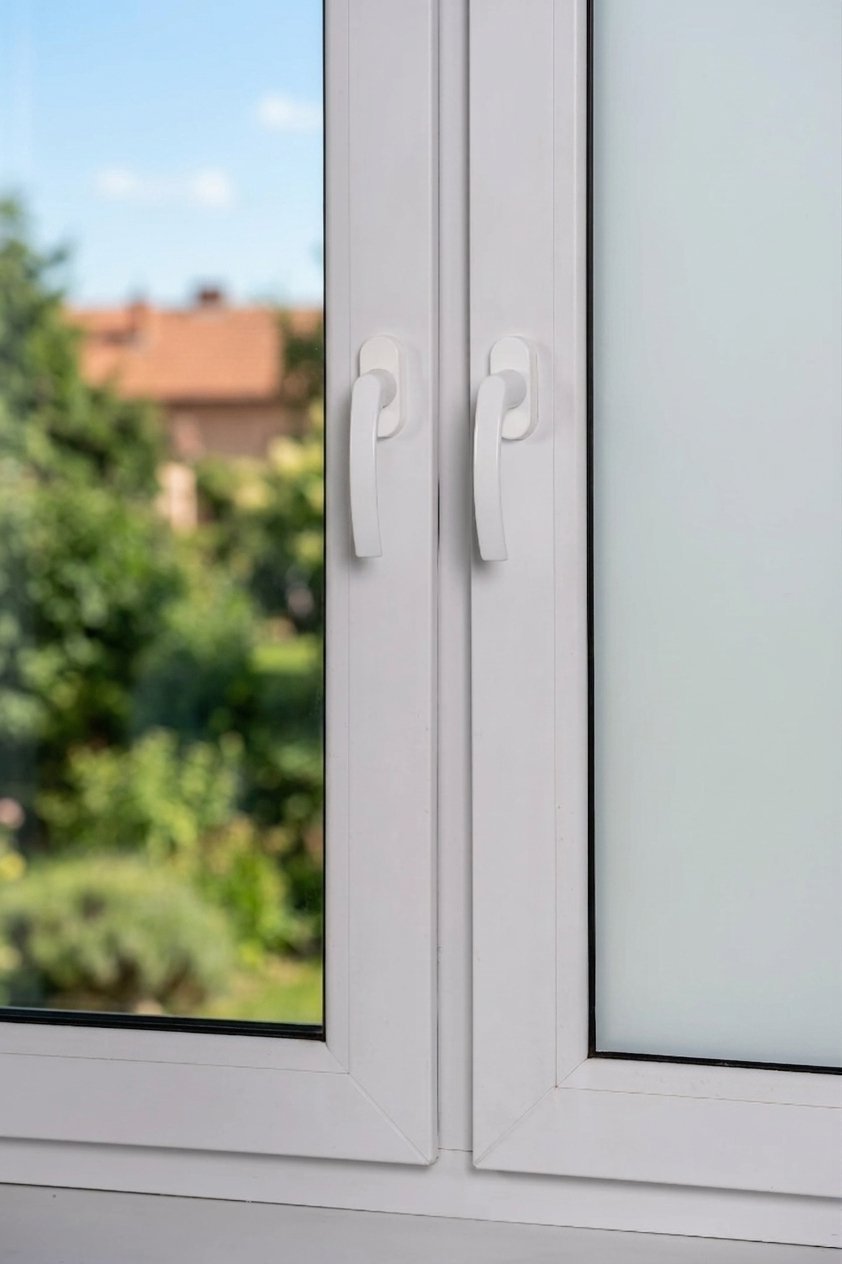
Anyone with a south-facing living room or large roof window will know how quickly sunlight can become uncomfortable.
The same window that looks wonderful on a cloudy afternoon can leave you squinting at a television or struggling to work at a desk when the sun comes through.
Traditional solutions include blinds, curtains and shades. They work, but they also cover the glass and can change the appearance of the room.
Some forms of intelligent glass are designed to control tint and solar exposure. Dynamic glass, for example, can adjust its tint in response to sunlight, helping to reduce glare while maintaining a view outside. This is explored further in our 2026 guide to the best smart film for sun control.
For a home, this can be particularly useful in:
The right product can make a bright room easier to use without permanently blocking the window.
Large windows can bring warmth into a home, which is useful in some situations and unwanted in others.
On a cold winter day, sunlight through a large window can be pleasant. During a warm summer afternoon, the same sunlight can make a room uncomfortable.
Some types of smart glass are designed to control solar heat gain by changing their optical properties. This can help reduce the amount of heat entering the room when the sun is strong.
This is an area where it is important not to make blanket claims about energy savings. Intelligent glass is not automatically going to reduce every home's energy bills by a fixed percentage. We take a closer look at the real performance evidence in our article on whether smart glass is energy efficient.
The result depends on the type of glass, the size and orientation of the windows, the building itself, the local climate and how the glass is controlled.
Used in the right situation, however, solar-control glass can form part of a wider approach to keeping a home comfortable.
Blinds and curtains are not a problem in themselves. In many homes they are exactly the right choice.
However, there are situations where homeowners would rather keep the glass clear and the room visually simple.
Intelligent glass can provide an alternative in certain applications.
A glass bathroom partition, for example, does not need a conventional curtain if privacy can be controlled through the glass. The same can apply to an internal glass door or partition.
There are also practical benefits. Fewer moving parts can mean fewer things to adjust, repair or replace.
Dynamic glass manufacturers also highlight the potential to reduce reliance on traditional shades while maintaining daylight and views. We explore this question in detail in our guide to whether switchable glass will replace curtains or blinds completely.
For homeowners who prefer a clean interior, this can be an important consideration.
Glass is often used to make a room feel larger.
This is especially useful in smaller homes, where building a solid wall between two areas can make each space feel more enclosed.
An internal glass partition can separate a bedroom, bathroom, home office or hallway without completely cutting off light.
The problem is that permanent clear glass does not always provide enough privacy.
Switchable glass gives you another option. Keep it transparent when you want the rooms to feel connected, then switch it to its private state when the spaces need to feel separate.
This can be particularly effective in modern extensions and open-plan homes.
Instead of choosing between an open room and a private room, you can have both.
Working from home has changed the way many people use their houses.
A spare bedroom may become an office during the day and return to being a bedroom or guest space later. A dining area may also double as a workspace.
Glass can help create separation without making the home feel divided into small rooms.
A switchable glass partition can remain transparent when you want the office to feel connected to the rest of the house. When you need to concentrate or want the room to feel more private, the glass can be switched. This is the same principle we cover in our guide to smart glass film for office meeting rooms.
This is a practical use rather than simply a design feature.
The same principle can work for study areas, creative spaces and meeting areas within larger homes.

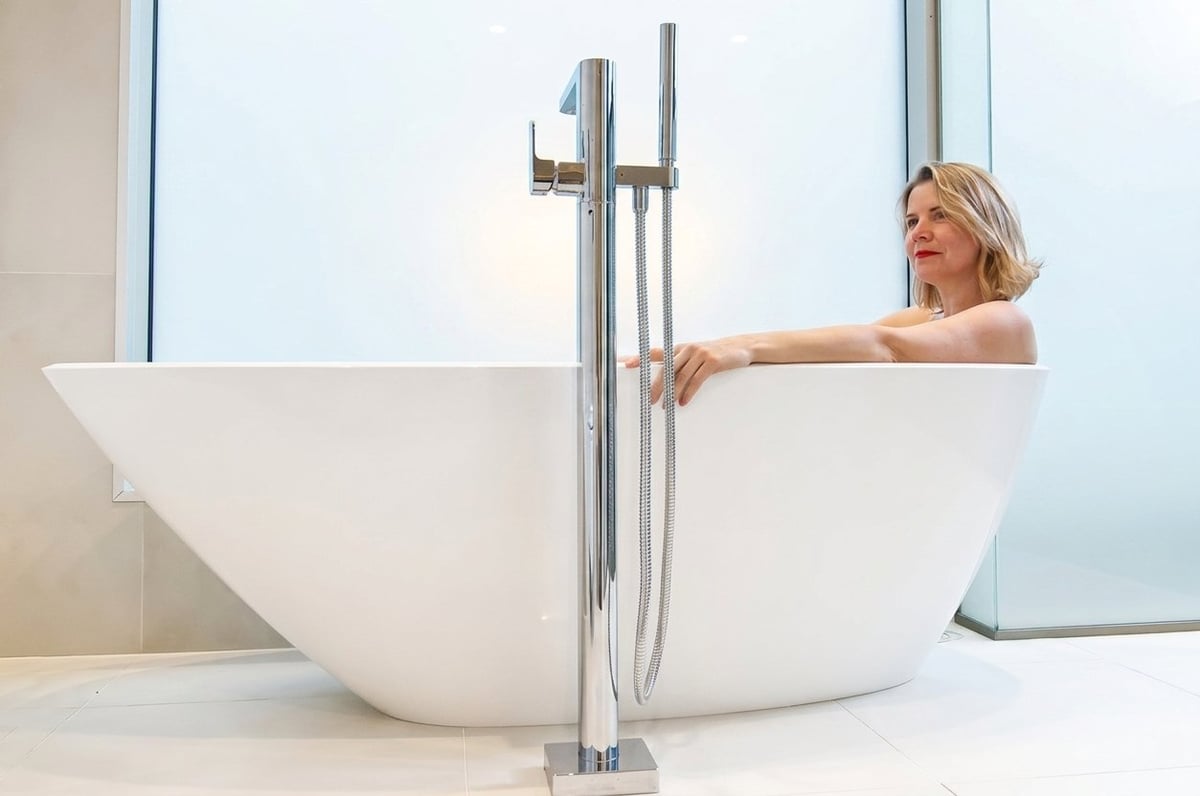
Bathrooms are one of the most natural applications for switchable glass.
A bathroom with clear glass can feel spacious and bright, but privacy is essential.
Intelligent glass can be used for suitable internal partitions, shower screens and other applications where the correct glass construction has been specified. We explain the key considerations in our guide to smart glass for showers, bathrooms and saunas.
It can be particularly useful in a bathroom connected to a bedroom. Instead of permanently using frosted glass, the homeowner can choose when the glass should be transparent or private.
However, bathroom installations need to be designed carefully. Electrical components, glass construction, moisture and installation requirements all need to be considered.
A professional installer should confirm that the chosen product is suitable for the intended application.
Sunlight is useful, but prolonged exposure can affect certain interior materials.
Furniture, flooring, artwork, curtains and other furnishings can fade over time when exposed to ultraviolet radiation and strong sunlight.
Some smart and dynamic glass products provide UV rejection, although the level of protection varies between technologies and products. For example, some specialist smart glass systems publish specific UV rejection figures as part of their technical specifications.
This is why homeowners should avoid assuming that every intelligent glass product offers the same protection.
If protecting artwork, furniture or flooring is important, ask the supplier for the actual tested specification.
One of the interesting aspects of intelligent glass is that it does not have to be controlled only by a wall switch.
Depending on the system, smart glass can potentially be connected to sensors, timers, home automation systems or other controls.
For example, a homeowner could have the glass change state at a particular time of day or respond to certain environmental conditions.
Research into intelligent glass has also demonstrated control using sensors and integration with smart building systems.
For a residential project, this can make sense when the glass is part of a wider smart home system.
It is worth keeping the installation practical, though. A simple switch may be all that is needed for a small bathroom partition, while a larger automated home could benefit from more advanced controls.
Intelligent glass is not only about privacy.
Glass itself is a design material, and switchable technology gives homeowners more ways to use it.
It can be incorporated into:
There are also different smart glass technologies, including PDLC, electrochromic and SPD systems. They do not all work in the same way or provide the same visual effect. We explain how the underlying technology performs in our guide to how intelligent smart glass works.
For that reason, it is better to start with the intended use rather than choosing a technology simply because it is called "smart glass".
Ask what you want the glass to do, then choose the appropriate product. If you are weighing up options, our comparison of smart glass vs smart film is a useful starting point.
No.
This is important because smart glass is not a universal replacement for ordinary glazing, blinds or curtains.
The cost can be higher than conventional solutions, and some systems require electrical connections and professional installation. You can read an honest breakdown of the trade-offs in our guide to the disadvantages of smart glass.
There are also differences between switchable privacy glass, tintable glass and smart film. A product designed mainly for privacy may not provide the same solar-control performance as a dynamic tinting system.
Before ordering, consider:
A physical sample is also worth requesting. Glass can look different depending on the surrounding walls, flooring, furniture and lighting.
Intelligent glass can make a real difference in the right home.
Its biggest advantage is flexibility. A glass partition does not always have to remain open, and a window does not always have to be covered with a blind or curtain.
Depending on the technology you choose, intelligent glass can help with privacy, glare, daylight, solar control and the way different areas of a home are used.
It can be especially useful in homes with large areas of glass, open-plan layouts, bathrooms, home offices and modern extensions. Our residential smart glass solutions page shows how these applications come together.
The key is to choose the glass based on what you actually need it to do. Different intelligent glass technologies have different strengths, and the manufacturer's specification matters.
If you are considering intelligent glass for your home, start by looking at the room, the glass and the problem you are trying to solve. Once those are clear, it becomes much easier to decide whether smart glass, smart film, conventional glazing or another solution is the right choice.
Every home is different. Get a detailed, no-obligation quote tailored to your space, covering everything from privacy and glare control to installation and electrical work.

Premium smart film and smart glass solutions for Yacht Owners, Architects, Businesses & Home Owners. Transforming your vision into the reality you've dream about.
© 2026 SmartGlassInnovations. All rights reserved.